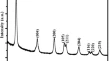
Figure 1 shows the diffuse reflectance spectra of undoped and nitrogen-doped titania and the
emission spectrum of CaAl2O4:(Eu, Nd). CaAl2O4:(Eu, Nd) emitted blue luminescent light with a peak of 440 nm in wavelength by UV
light irradiation (325 nm). Although undoped titania absorbed only UV light of the
wavelength less than 400 nm, nitrogen–doped titania showed absorption of visible light
up to 700 nm showing a nice overlap between the diffuse reflectance spectrum of TiO2-xNy and the emission spectrum of CaAl2O4:(Eu, Nd). Therefore, it implied the potential possibility of CaAl2O4:(Eu, Nd)/TiO2-xNy composite as the luminescent assisted photocatalyst which use the long after glow
from the phosphor as the light source of the photocatalyst. Our previous research
proved that nitrogen doped titania could be induced the photocatalytic activity by
such weak LED light as 2.0 mW/cm2 with long wavelength of 627 nm [23,24]. This result also strongly implied the potential application of the composite as
luminescent assisted photocatalyst material.
Figure 1. Overlap of diffuse reflectance spectra of a undoped TiO2(P25) and b TiO2-xNy and c emission spectrum of CaAl2O4:(Eu, Nd).
Figure 2 shows the emission decay profile of CaAl2O4:(Eu, Nd)/TiO2-xNy composite. The composite showed an emission spectrum peaked at 440 nm, which was
almost identical to that of CaAl2O4:(Eu, Nd), attributed to the typical 4f65d1-4f7 transition of Eu2+ [16]. This indicated that the even if 40% brookite TiO2-xNy was coated on the surface of CaAl2O4:(Eu, Nd) particles, comparatively strong luminescence property of the composite was
kept. Although the emission intensity decayed with time, the emission intensity about
23 mcd/mm2 was retained even after 2 h.
Figure 2. The emission decay profile of CaAl2O4:(Eu, Nd)/TiO2-xNy composite after irradiation by the mercury lamp used for photocatalytic reactions. The inset shows the decline of the intensity of the emission.
Figure 3 shows the photocatalytic NO destruction behaviors of CaAl2O4:(Eu, Nd)/TiO2-xNy, TiO2-xNy and CaAl2O4:(Eu, Nd)/undoped TiO2 (P25) under UV light irradiation and after turning off the light. It was obvious
that all the samples possessed excellent photocatalytic deNOx activity under UV light irradiation. Although the effect was very limited, it could
be actually confirmed from the data of Figure 3a, b that under irradiation of high pressure mercury lamp (The data between light on and light off), CaAl2O4:(Eu, Nd)/TiO2-xNy luminescent photocatalyst exhibit better photocatalytic activity than that of TiO2-xNy.
Figure 3. The photocatalytic deNOx activity of the prepared samples during UV light irradiation for 30 min followed
by turning off light, while NO gas was continuously flowed in the dark for 3 h. a CaAl2O4:(Eu, Nd)/TiO2-xNy composite; b brookite phase TiO2-xNy; c CaAl2O4:(Eu, Nd)/undoped TiO2 (P25) composite.
The characterization system used in the present research was similar to that of the
Japanese Industrial Standard which was established at the beginning of 2004 [25]. In this JIS standard, it is recommended that the photocatalytic activity of photocatalyst
should be characterized by measuring the decrease in the concentration of NO at the
outlet of a continuous reactor. One ppm of NO gas with a flow rate of 3.0 dm3/min is introduced to a reactor then irradiated by a lamp with light wavelength of
300–400 nm. The mechanism of photocatalytic deNOx had been researched carefully by M.Anpo [26]. During the deNOx photocatalytic reaction, the nitrogen monoxide reacts with these reactive oxygen
radicals, molecular oxygen, and very small amount of water in air to produce HNO2 or HNO3. It was confirmed that about 20% of nitrogen monoxide was decomposed to nitrogen
and oxygen directly [26] Because a continuous reaction system was utilized in the deNOx characterization [20,21], after turning off the light, it took about 10 min (total 50 min from the start of
the characterization) to achieve diffusion balance and return to the initial NO concentration.
The degree of NO destruction by TiO2-xNy and CaAl2O4:(Eu, Nd)/undoped TiO2 (P25) immediately decreased after turning off the light, however, as-expected, CaAl2O4:(Eu, Nd)/TiO2-xNy retained the NO destruction ability for about 3 h. Since the decay profile of the
NO destruction degree of CaAl2O4:(Eu, Nd)/TiO2-xNy was similar to the emission decay profile shown in Figure 2, it might be concluded that the emission by CaAl2O4:(Eu, Nd) was used as a light source to excite TiO2-xNy photocatalyst. It was also confirmed that CaAl2O4:(Eu, Nd)/TiO2-xNy composite consisted of 40% brookite TiO2-xNy (mass ratio of CaAl2O4:(Eu, Nd)/TiO2-xNy = 3/2) possessed the best performance after turning off the light.
Present results indicate that the combination of CaAl2O4:(Eu, Nd) and TiO2-xNy is a key point to realize the persistent catalytic activity even after turning off
the light. In addition, it is well known that the combination of the two different
band structure compounds may cause the charge transfer on the photocatalyst surface
to depress the recombination of photo-induced electrons and holes, which is helpful
for the improvement of photocatalytic activity [27,28]. This novel system provides a possibility of atmosphere purification not only in
day time, but also in night time. A promising strategy involves coupling of visible
light induced photocatalyst with long afterglow phosphor might be established. It
is a new concept for the photocatalyst synthesis and applications.